


Windfall taxes will shred investment and growth
Windfall taxes will shred investment and growth

Telegraph ViewSat, August 29, 2026 at 7:00 PM UTC
0
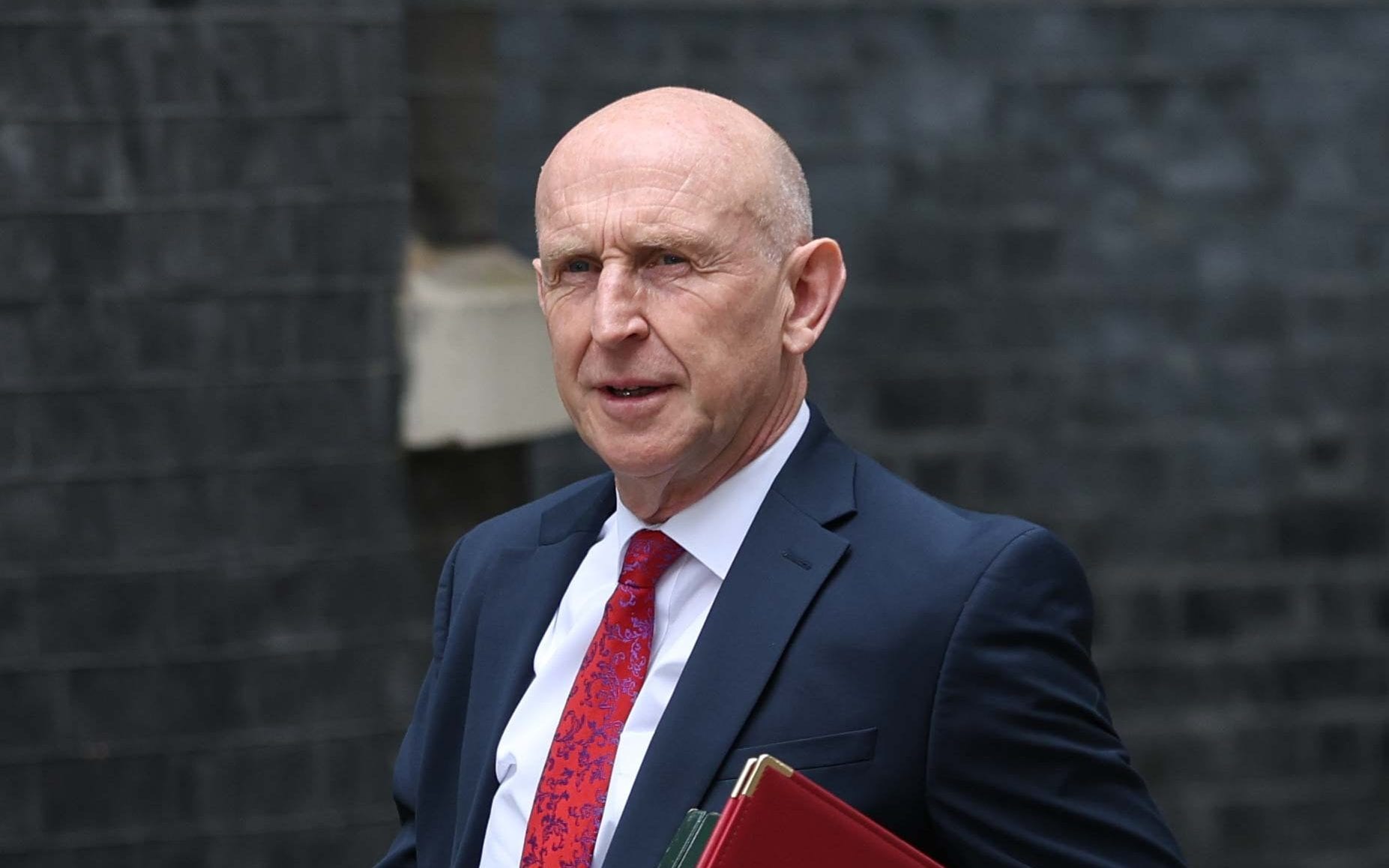
The Chancellor is under pressure to find funds for defence spending, household energy relief and fiscal headroom - Zeynep Demir/Anadolu via Getty Images
The pressures on any modern-day chancellor are notorious and real. And in the case of the incumbent, John Healey, they are specific and career-threatening.
It was Mr Healey who, as defence secretary, resigned his Cabinet post in protest at Keir Starmer’s refusal to order the Treasury to provide our Armed Forces with the resources they need to fulfil their international obligations and keep our country safe. But it was also Mr Healey who, having had a period to reflect on his new responsibilities as chancellor, appears to have now chosen to shelve the 3 per cent of GDP target for defence spending he previously insisted upon.
Few chancellors have had to construct an initial Budget under such a searching personal spotlight. But as well as the gap in defence spending – a gap that has even prompted senior figures at the Pentagon to question America’s support for Britain’s continued claims of sovereignty over the Falkland Islands – Mr Healey is under intense pressure to provide real and substantial relief to hard-pressed households trying to meet the costs of domestic heating, as well as to regain fiscal headroom under the Office for Budget Responsibility rules.
Where can all this extra cash be found? One possibility under consideration at the Treasury is a new windfall tax on banks and City institutions.
Advertisement
Windfall taxes are an attractive policy option for politicians who yearn to avoid raising money from the general public. But the windfall levy on privatised utilities introduced under Tony Blair’s Labour government in 1997 was at least signalled in advance in the party’s election-winning manifesto and was set aside for a specific spending commitment: providing training and employment for 250,000 unemployed under-25-year-olds.
Revisiting the pot in order to provide a hard-up government with a fresh revenue stream ushers us into a worrying new era where privately accumulated wealth and profit are seen as the property of the state. Further, banks and financial institutions already pay a higher rate of corporation tax than other businesses, as well as a separate levy on their UK balance sheets.
Mr Healey must be wary of seeking to please Labour Party MPs and activists, whose disdain for the private sector and the profits it makes is well known, while consciously undermining the economy’s already fragile and modest attempts at growth.
It was growth that Keir Starmer and his chancellor, Rachel Reeves, promised would be Labour’s top economic priority; only by growing the economy could demands for new investment by the country’s public services be sated.
A new windfall levy would set back, perhaps by years, the confidence that the private sector needs in its government in order to make the investment that will deliver what the entire country wants and needs. A windfall levy may be less unpopular than other tax rises, but economic growth needs to be prioritised over clever political wheezes.
Source: “AOL Money”
