


USDA food safety chief touts Wisconsin meat processing strength
USDA food safety chief touts Wisconsin meat processing strength

Colleen Kottke, Wisconsin State FarmerSun, October 25, 2026 at 10:01 AM UTC
0
Wisconsin's extensive network of meat-processing facilities and inspection programs positions the state as a national model for expanding market access while maintaining food safety standards, according to Dr. Mindy Brashears, USDA under secretary for food safety.
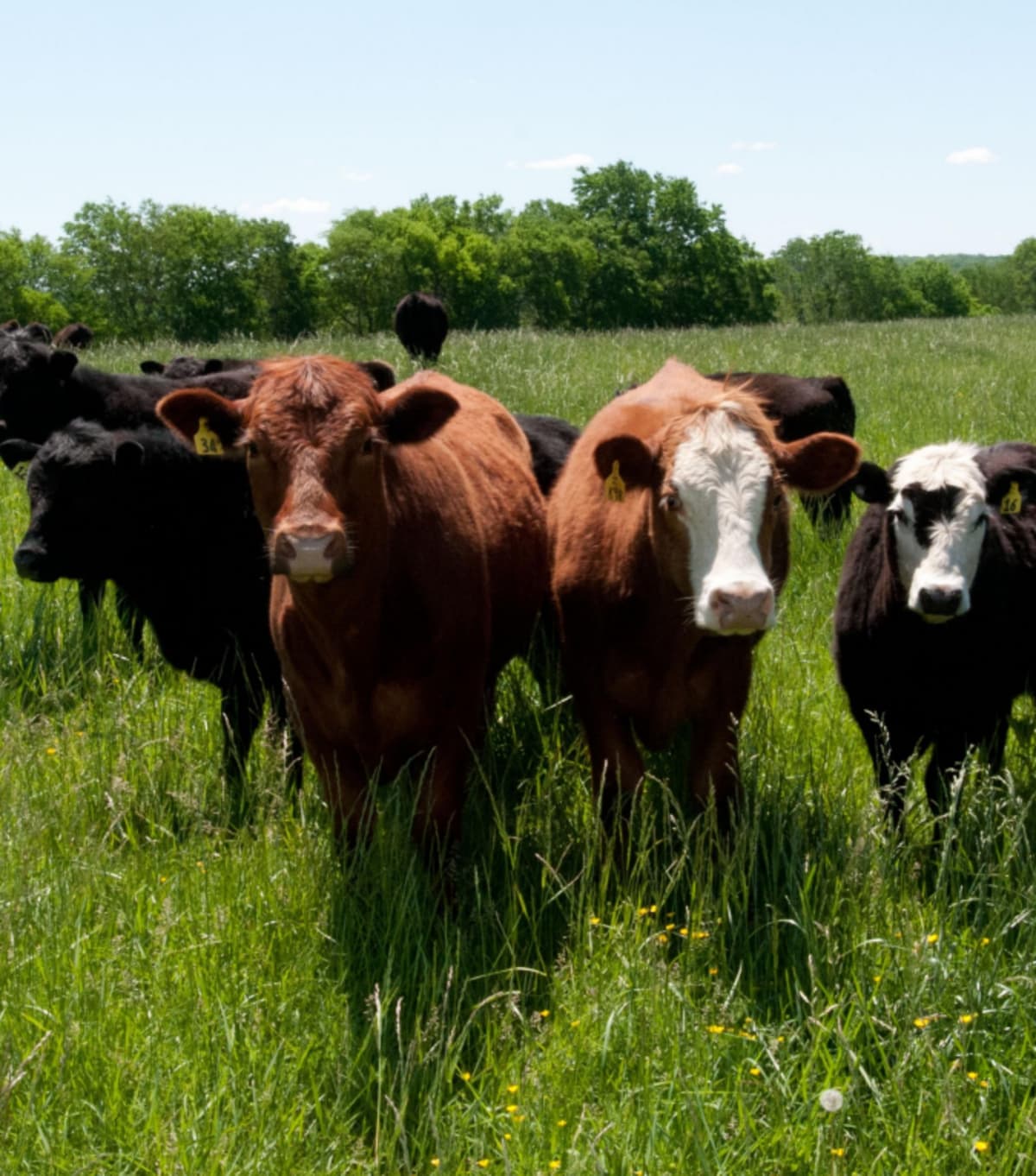
Speaking Oct. 20 at the University of Wisconsin-River Falls, Brashears highlighted the state's large agricultural sector, which includes 58,000 farms on 13.7 million acres, 3.25 million cattle and calves, and $16.7 billion in annual agricultural sales. Wisconsin also has 232 federally inspected meat-processing establishments, the ninth-highest total among states. About 88% of those facilities are classified as small or very small businesses.
A Wisconsin's inspection system stands out
Brashears said Wisconsin stands out nationally because of its combination of federal inspection, state inspection and participation in the Cooperative Interstate Shipment, or CIS, program.
"We are very excited about what Wisconsin does," Brashears said. "It really gives our ranchers and those raising animals multiple opportunities on where they can go to market with their product."
While roughly 38 states operate both federal and state meat inspection systems, only 11 states participate in the CIS program, which allows qualifying state-inspected plants to ship products across state lines. Brashears said the added layer gives small processors access to larger regional and national markets.
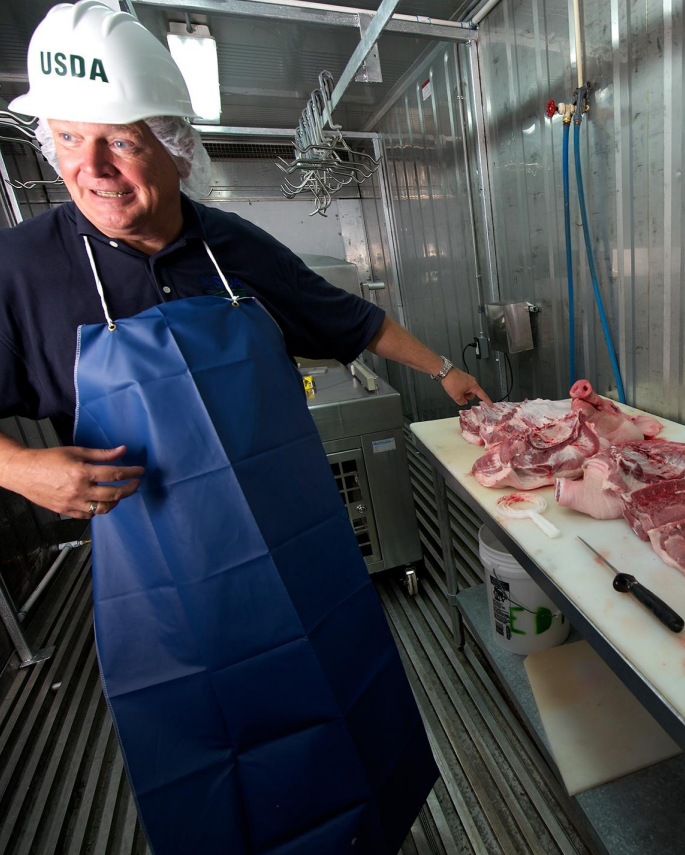
Wisconsin has 181 state-inspected plants and 48 CIS establishments, making it one of the nation's largest and fastest-growing CIS programs. The state was also among the first adopters of the program, according to Brashears.
The program allows processors that once were limited to in-state sales to pursue larger contracts and broader distribution opportunities.
"Being able to ship across state lines is a very big deal because it expands market access and ultimately impacts the bottom line of a business," Brashears said. "We absolutely want these small businesses that impact our rural communities to stay in business."
Expanding opportunities for small processors beyond state lines
Brashears pointed to the role CIS can play in leveling the playing field for smaller processors competing against larger national brands by giving them access to customers beyond Wisconsin's borders.
The under secretary also discussed challenges facing small and very small meat processors, which account for about 90% of establishments regulated by USDA's Food Safety and Inspection Service.
"The biggest challenge for the plants themselves is having the technical expertise," Brashears said. "Most of them are very safe, but they want to implement new technologies and new innovations to make the process more efficient."
Large processors often employ food safety specialists with advanced degrees who can respond to pathogen detections and improve production systems, she said. Smaller plants frequently lack those resources.
To address the gap, USDA is developing a network that would connect processors with university extension specialists, industry associations and agency experts who can provide technical guidance on food safety, testing and process improvements.
"We want them to have the same access to the decision-making power that the larger plants have," Brashears said.
USDA programs aimed at growth, opportunities for small plants
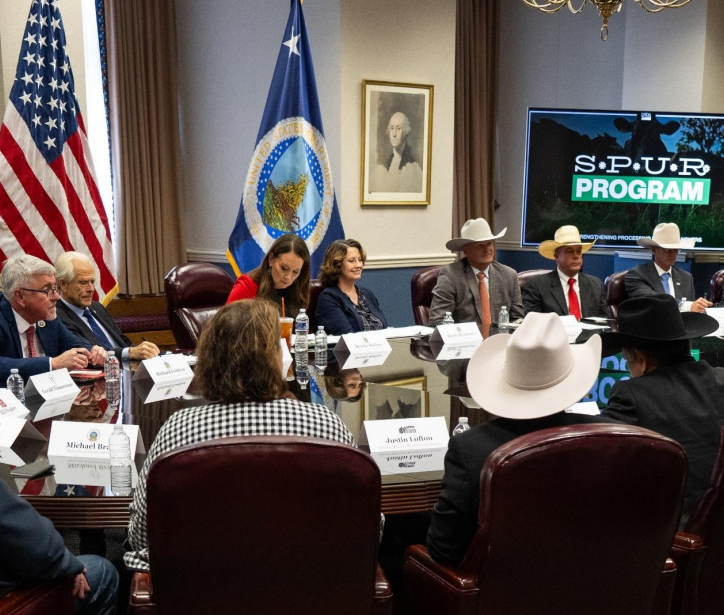
Brashears highlighted several USDA initiatives aimed at supporting small and very small processors, including grants, technical assistance, inspection reimbursement programs and financing opportunities.
The agency expects to soon announce details of a fourth round of IMPACT grants, which help processors purchase equipment and make facility improvements. USDA also reimburses qualifying small plants for certain inspection-related overtime and holiday costs.
In addition, Brashears discussed USDA's proposed SPUR 2.0 initiative, which would provide government-backed loan guarantees to help processors secure financing for expansion projects.
Advertisement
"It can be anything from buying a packaging machine to establishing a mobile slaughter unit," Brashears said.
The loans could also help processors renovate or purchase facilities that have closed in recent years, restoring processing capacity in rural communities.
No compromise on food safety
Food safety continues to drive USDA policy, Brashears said.
"Salmonella is usually our number one bacterial cause of foodborne illness," she said, noting the agency is focusing heavily on poultry standards while expanding efforts into beef and pork production.
Listeria in ready-to-eat products and E. coli in beef remain significant concerns, although outbreaks linked to E. coli have declined substantially in recent years.
Brashears emphasized that efforts to streamline regulations will not come at the expense of food safety.
"We can reduce unnecessary regulations, which may be related to paperwork or something like that, but we will not compromise food safety," she said. "That has been reiterated by the secretary and all the way up to the president."
"Product of USA" label boosts transparency
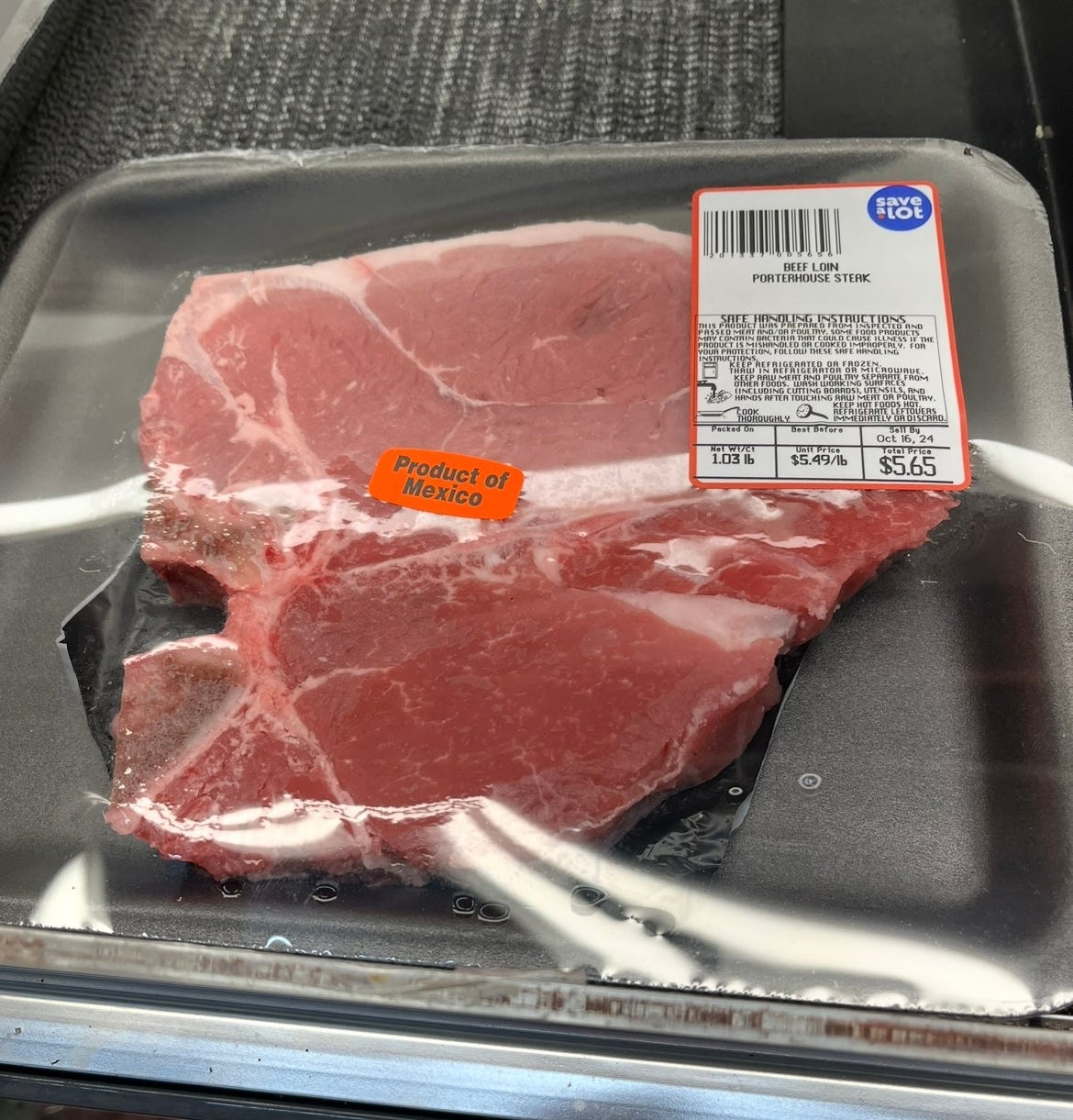
The under secretary also highlighted USDA's revised "Product of USA" labeling rule, which requires animals to be born, raised, harvested and processed in the United States before qualifying for the label.
"We're very excited about it for consumer transparency," Brashears said. "It shows the consumer that the product all the way from the live animal to the final product was actually in the U.S."
The policy is particularly relevant to Wisconsin's beef and dairy sectors, where producers may benefit from stronger differentiation of domestically sourced products.
Looking ahead
Looking ahead, Brashears said her vision for the industry centers on maintaining strong food safety standards while embracing innovation and practical regulations.
"My vision, first and foremost, will always be to have and maintain the gold standard of food safety and to have the safest food supply in the world," she said.
She added that consumer confidence rests on the work performed every day by processors and inspectors.
"Meat and poultry products are subjected to continuous inspection," Brashears said. "We have eyes on product, and the product is very safe. We take it very seriously."
Brashears said Wisconsin's inspection framework demonstrates how federal and state partnerships can strengthen rural economies while expanding processing capacity and maintaining consumer trust in the nation's food supply.
By the Numbers: Wisconsin Agriculture & Food Processing
Wisconsin's combination of federal inspection, state inspection and interstate shipment opportunities gives small meat processors additional pathways to reach new markets while supporting rural economies.
3.25 million cattle and calves
58,000 farms across 13.7 million acres
$16.7 billion in annual agricultural sales
232 federally inspected meat-processing establishments, ranking ninth nationally
88% of federally inspected plants are classified as small or very small businesses
181 state-inspected meat-processing establishments
Approximately 69 custom-exempt processing plants
48 Cooperative Interstate Shipment (CIS) establishments
Home to one of the nation's largest and fastest-growing CIS programs
Source: USDA
This article originally appeared on Wisconsin State Farmer: USDA food safety chief touts Wisconsin meat processing strength
Source: “AOL Money”
