


In another 250 years, what will be considered an American classic?
In another 250 years, what will be considered an American classic?

Clare Mulroy, USA TODAYThu, July 2, 2026 at 11:03 AM UTC
0
NEW YORK – What makes a Great American Novel? Which books deserve to be called classics?
You may think of the books you read in school, like F. Scott Fitzgerald's "The Great Gatsby" or Ernest Hemingway's "For Whom the Bell Tolls." Or maybe it's a book that had a profound impact on you emotionally. In recent years, the book world has reckoned with the label “classic,” arguing for more diverse literature taught in classrooms and accolades for historically marginalized authors.
In another 250 years, what books will be considered American classics?
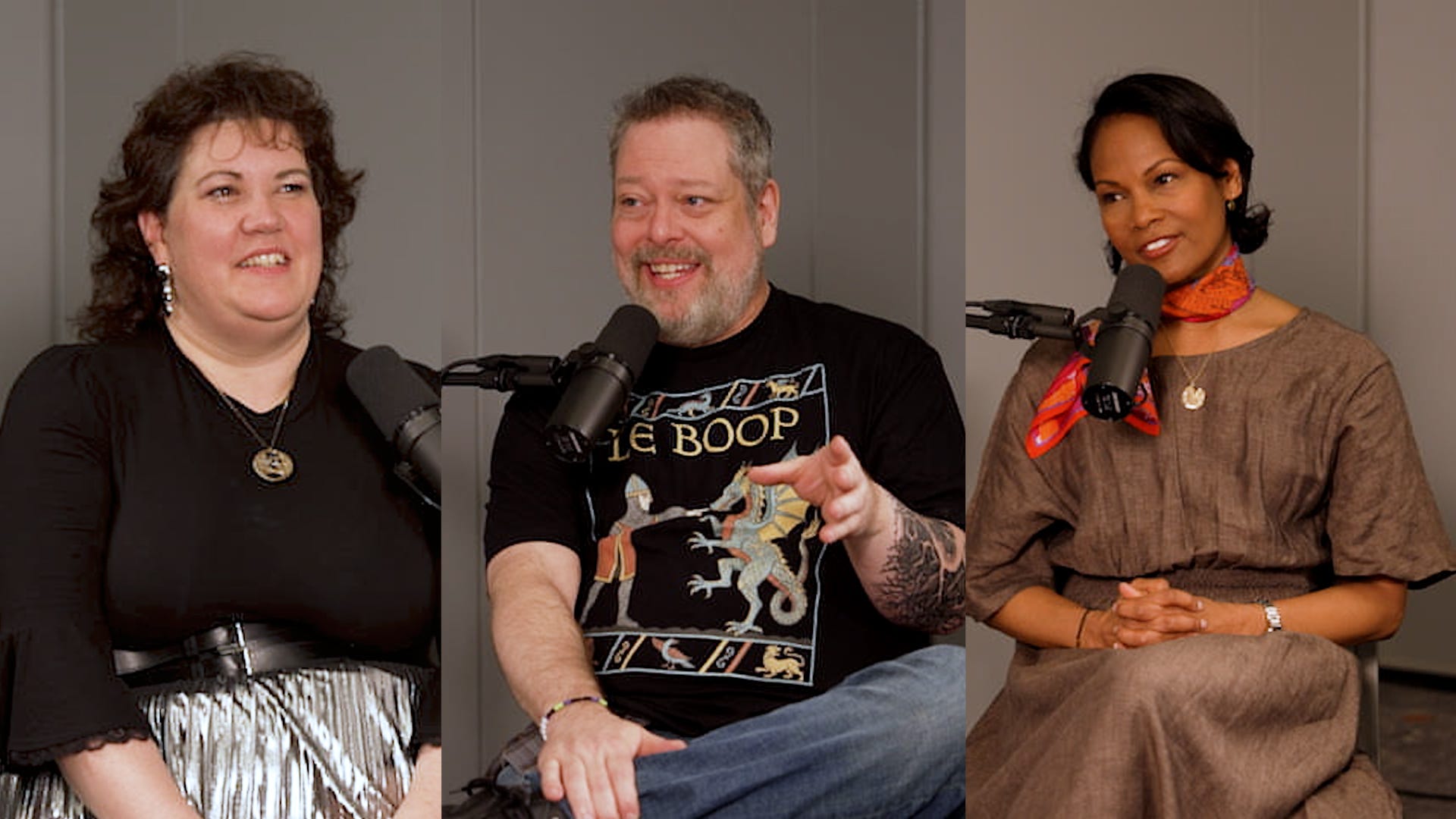
As the United States celebrates its 250th birthday, we're looking ahead to the future. In the next 250 years, what books will get earn their place among the best literature America has to offer? We asked 15 authors at BookCon to share their thoughts.
'Demon Copperhead' by Barbara Kingsolver
Adriana Trigiani ("The Shoemaker's Wife") picks “Demon Copperhead," a book about a boy growing up in southern Appalachia, facing foster care, addiction, loss and survival.
Kingsolver is “the voice of not only the century, I think she’s our best,” Trigiani says. “There are a lot of great ones, but there’s only one Barbara Kingsolver.”
'The Handmaid’s Tale' by Margaret Atwood
Jodi Picoult ("My Sister's Keeper") says “The Handmaid’s Tale," technically a Canadian novel, but one she says deserves the accolade.
“But I really hope we’re seeing it as fiction and not fact,” she says.
Rachel Reid just hopes books still exist. The “Heated Rivalry” author says she wants the voices we celebrate in the future to look different and more diverse than they do today.
'Harriet the Spy' by Louise Fitzhugh
Matt Dinniman ("Dungeon Crawler Carl") picks “Harriet the Spy," saying “Books that should be considered classics are ones that are a snapshot of that time. Young adult, children’s books have such a formative job in creating the people that kids grow up (to be).”
'Indigo' by Beverly Jenkins
Jasmine Guillory ("The Wedding Date") picks “Indigo," a historical romance set in the 1850s between two members of the Underground Railroad in Michigan. Guillory, a contemporary romance author, says many themes still feel “current” today.
'Palaver' by Bryan Washington
Casey McQuiston wants Washington added to the “classic” canon. “Palaver,” a finalist for the 2025 National Book Award for fiction, follows a young, gay English tutor in Tokyo whose estranged mother shows up on his doorstep after a decade apart.
McQuiston describes his writing as “soulful and sincere,” with “restrained and attentive prose.”
'Home of the American Circus' by Allison Larkin
Advertisement
Julia Whelan (narrator of "Gone Girl," "The Women" and others, and author of "My Oxford Year") thinks we should consider “Home of the American Circus” by Allison Larkin a classic. In Larkin’s 2025 novel, a woman returns to the hometown she fled 10 years prior. When she returns to her parents’ house, left to her after their death, she discovers her 15-year-old niece is secretly living there.
“When I read it, I texted her, ‘I’m not being hyperbolic, but I think you wrote the Great American Novel of our time,’” Whelan says.
'The Warmth of Other Sun' by Isabel Wilkerson
Tia Williams ("Seven Days in June") wants “The Warmth of Other Suns” to become a classic. It recounts the Great Migration through the stories of three individuals who left the South in search of a better life. Williams calls Wilkerson’s oral history “required reading.”
'Legendborn' by Tracy Deonn
Victoria Aveyard ("Red Queen") loves the Legendborn Cycle series by Tracy Deonn. This young adult fantasy follows a 16-year-old who discovers a magical attack and realizes this new world of demons and mages has a connection to her mother’s death.
“She does such a great job of writing something that is propulsive, that is an adventure but also really ruminates on the Black experience in America in a way that feels so organic and so well done,” Aveyard says.
Tracy Deonn, a self-proclaimed “recovering academic,” flips the question on its head: “I’m not even really sure that I could name a book because I think stories will become more than books,” Deonn says. “We might be able to think of Tumblr articles or posts or podcasts or really incredible commentary and we collect those together around theme and then we get to experience the classic, or the view of the world, from the people who were on the ground in that moment.”
'Anna and the French Kiss' by Stephanie Perkins
Author duo Christina Lauren (Christina Hobbs and Lauren Billings, "The Unhoneymooners") want “Anna and the French Kiss” by Stephanie Perkins in the canon. This romance novel follows a young woman at a boarding school in Paris.
“Within the romance community, it feels like a modern-day classic. It’s a book that we all cut our teeth on,” says Billings.
'The King of Attolia' by Megan Whalen Turner
Veronica Roth says “The King of Attolia," which she calls a “revelatory” reading experience and recommends to everyone she knows. Set in the Queens Thief series, this YA fantasy is about a desperate thief rescuing a hot-headed young soldier.
'Prep' by Curtis Sittenfeld
Robinne Lee ("The Idea of You") picks “Prep," a coming-of-age story about a scholarship student who leaves her family in Indiana for privileged peers at a boarding school in Massachusetts, and is considered a modern classic by many. Lee says it “encapsulates that experience of being othered.”
'Beautiful Ruins' by Jess Walter
Riley Sager ("Final Girls") thinks “Beautiful Ruins” by Jess Walter should be a classic. This novel about an almost-love affair that resurfaces 50 years later, is a “gorgeous melody of genres and themes,” Sager says.
'Feed' by M.T. Anderson and 'The Knife of Never Letting Go' by Patrick Ness
Soman Chainani ("The School for Good and Evil") says “Feed” by M.T. Anderson and “The Knife of Never Letting Go” by Patrick Ness, two sci-fi dystopian novels that he calls “prophetic” and “way ahead of their time.” Dystopia in “Feed” arrives via computer network brain implants and in “The Knife of Never Letting Go” with a germ that broadcasts men’s thoughts.
Clare Mulroy is USA TODAY’s Books Reporter, where she covers buzzy releases, chats with authors and dives into the culture of reading. Find her on Instagram, subscribe to our weekly Books newsletter or tell her what you’re reading at cmulroy@usatoday.com.
This article originally appeared on USA TODAY: In another 250 years, what will be considered an American classic?
Source: “AOL Entertainment”
