


Director Carl Rinsch Sentenced to Prison in $11 Million Netflix Fraud Case After Keanu Reeves Asked for 'Leniency'
Director Carl Rinsch Sentenced to Prison in $11 Million Netflix Fraud Case After Keanu Reeves Asked for 'Leniency'

Desiree AnelloTue, June 30, 2026 at 3:33 PM UTC
0
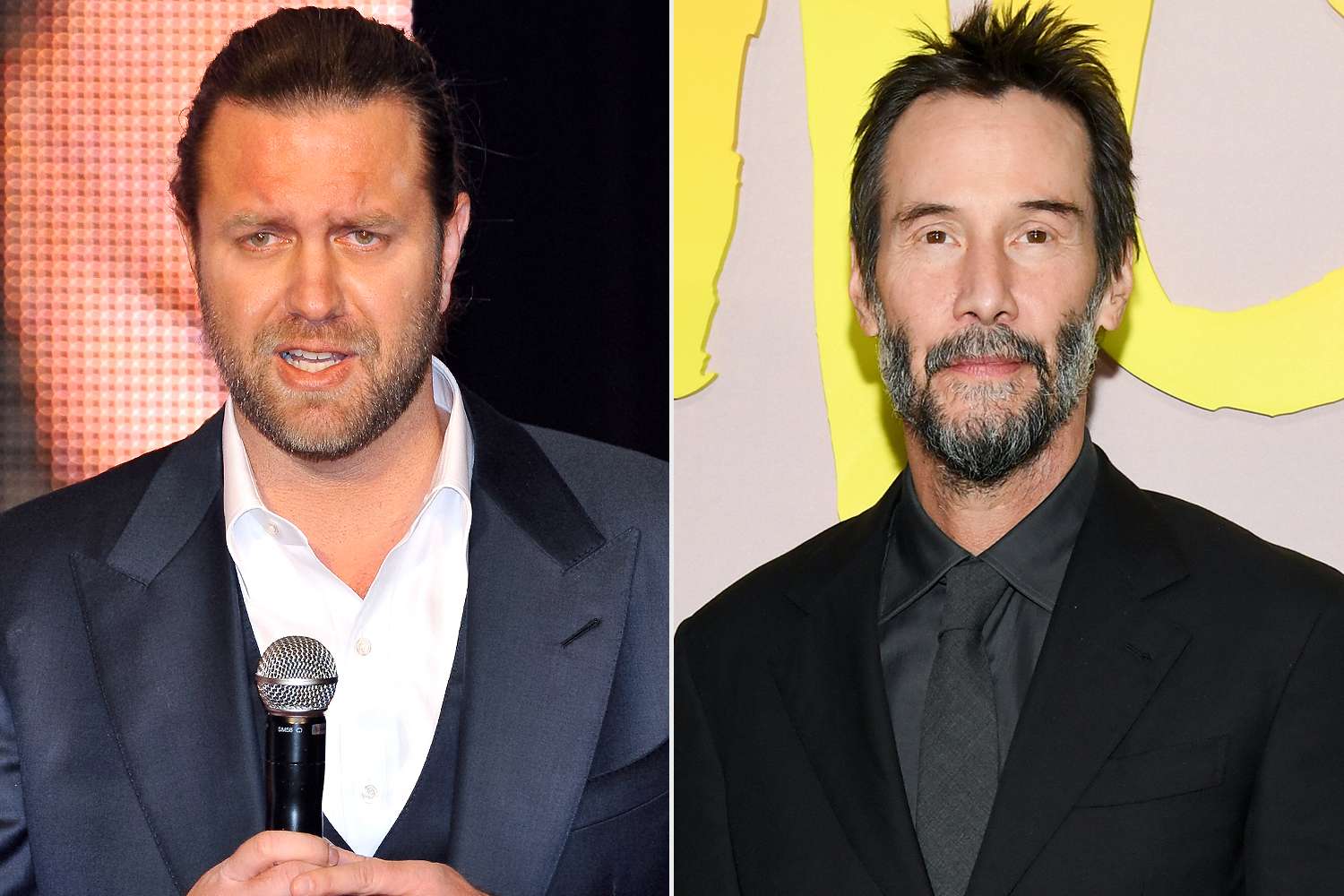
Carl Rinsch at '47 Ronin' premiere; Keanu Reeves at 'Outcome' premiereCredit: Keizo Mori/UPI/Shutterstock; Kristina Bumphrey/Variety via Getty -
Director Carl Rinsch was sentenced to 30 months in prison after he was found guilty of using an $11 million business investment from Netflix to speculate on cryptocurrency and fund lavish personal expenses
Rinsch and his lawyers told the court that his behavior was in part due to his mental health struggles and his failure to “recognize the danger of the state I was in”
Prior to the sentencing, Keanu Reeves wrote a letter of support for Rinsch, asking the judge for “leniency and mercy”
Hollywood director Carl Rinsch, found guilty of using an $11 million business investment from Netflix to speculate on cryptocurrency and fund lavish personal expenses, has been sentenced to 30 months in prison.
After serving time for his role in a “fraudulent scheme” involving funds that were meant to be used to complete a science fiction TV show called White Horse, the director was also sentenced to three years of supervised release, $11 million in forfeiture and $700 in mandatory special assessments, per the United States Attorney's Office Southern District of New York.
“Carl Erik Rinsch orchestrated a scheme to steal millions by seeking $11 million from a subscription streaming service, falsely claiming that money would be used to finance a television show that he was creating,” U.S. Attorney Jay Clayton stated in a press release. “Instead of using the money to make the show, Rinsch made risky bets on highly speculative stock options and cryptocurrency, and spent millions of dollars on luxury goods for himself. Today's sentence sends a deterrent message: fraud will not be tolerated.”
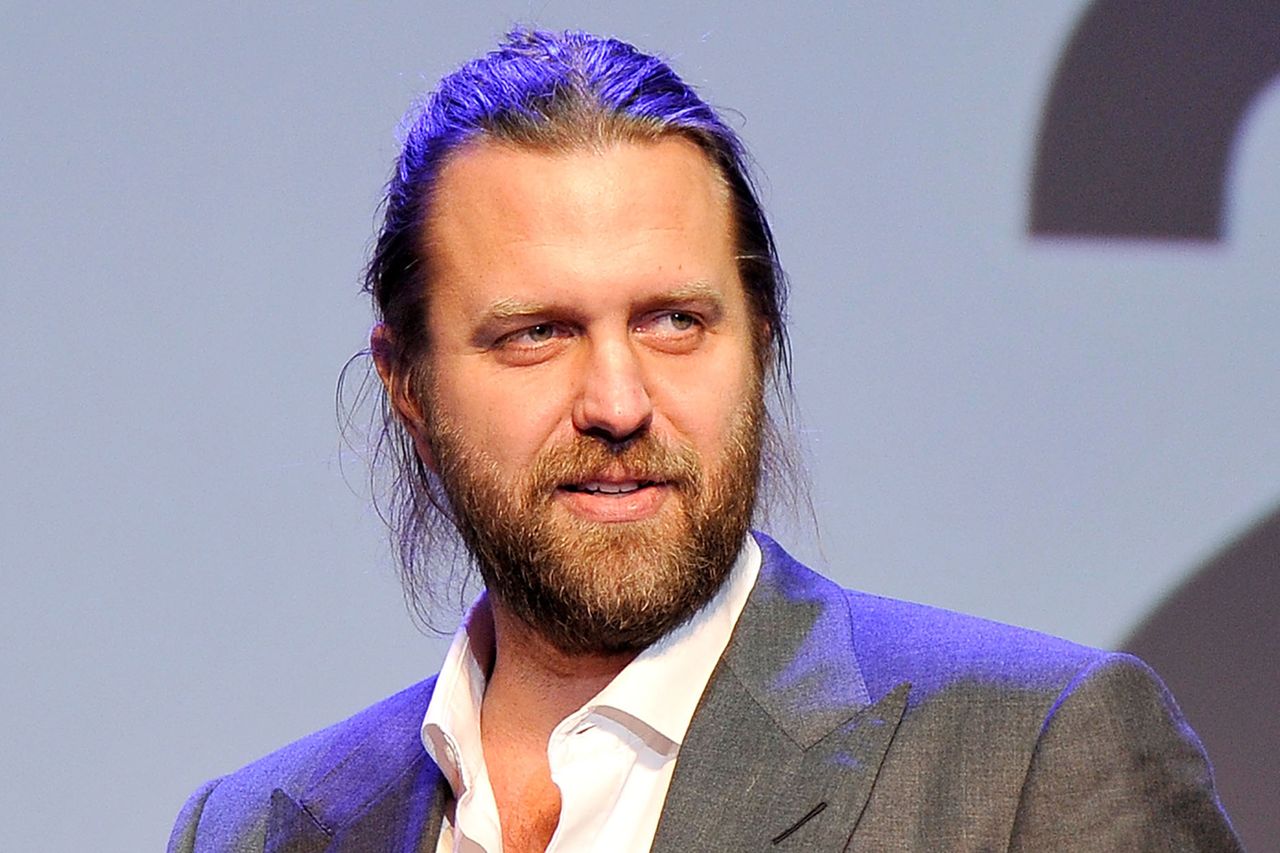
Carl Erik Rinsch attends New Directors' Showcase on September 23, 2015 in Los Angeles, CaliforniaCredit: John Sciulli/Getty
Some of Rinsch's personal expenses included “at least $1.7 million on credit card bills; at least $3.3 million on furniture, antiques, and mattresses; at least $387,000 on a Swiss watch; and at least $2.4 million on five Rolls Royces and a red Ferrari,” officials previously shared in a press release.
— sign up for PEOPLE's free daily newsletter to stay up-to-date on the best of what PEOPLE has to offer, from celebrity news to compelling human interest stories.
He was ultimately convicted of one count of wire fraud, one count of money laundering and five counts of engaging in monetary transactions in property derived from specified unlawful activity.
Advertisement
While prosecutors argued that the director should serve five years in prison, per ABC News, Rinsch and his lawyers told the court that his behavior was in part due to his mental health struggles and his failure to “recognize the danger of the state I was in.”
Prior to his sentencing, Keanu Reeves, who worked with Rinsch on the 2013 movie 37 Ronin, wrote a personal letter “in support of Carl Rinsch in connection with his upcoming sentencing.”

Ko Shibasaki, Hiroyuki Sanada, Keanu Reeves, Tadanobu Asano, Rinko Kikuchi and Carl Rinsch promote '47 Ronin' in TokyoCredit: TORU YAMANAKA/AFP via Getty
“I do not know the details of this case. But based upon what I do know about Carl, I did want to take the opportunity to write on his behalf, in the hope that his sentence might be tempered with measures of leniency and mercy as well as justice," Reeves, 61, wrote in a letter to Judge Jed S. Rakoff in New York City on May 1, per court documents obtained by PEOPLE. "In my opinion, Carl is an exceptional artist, and White Horse, in the form in which I saw it, was a superb and visionary work of art, although unfinished.”
The New York Times reported in 2023 that the John Wick actor invested in the series financially and served as a producer on the project. As Rinsch's mental health and medication use came into question, Reeves allegedly joined a behavioral health consultant to stage an intervention at the director's Los Angeles home.
"I am, of course, not a therapist or psychologist. I write instead as an artistic peer of Carl's, and as a friend,” Reeves continued in the letter. “In my opinion, Carl can self-sabotage by amplifying the scale, scope and landscape of what had been negotiated, accordingly placing himself and his counterparties at odds.”
"I do not intend to share this as an excuse or diminishment of what he has been found to have done, but offer this solely as perhaps an insight into why," he concluded.
on People
Source: “AOL Entertainment”
